
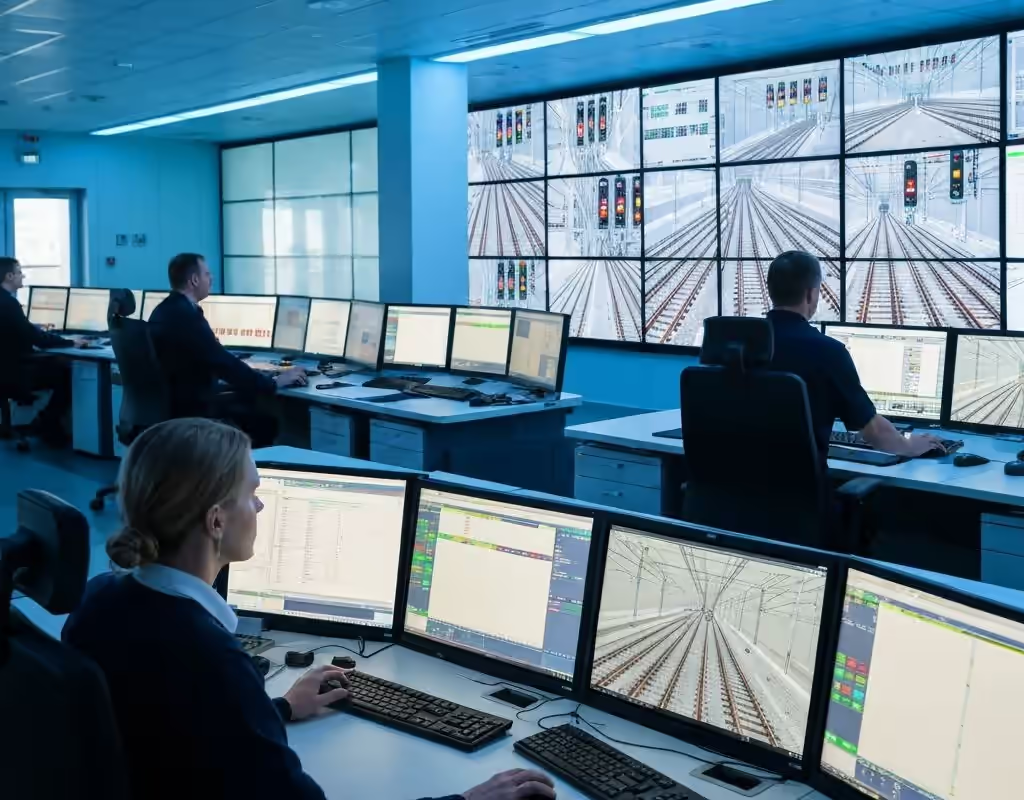
Bridge monitoring
Bridge monitoring connects a structure's response to traffic, weather and changing condition with the evidence needed for maintenance and engineering review. Starmass integrates instrumentation, acquisition and reporting for bridges and related transport infrastructure.
Understand response under real operating conditions.
A bridge's measured behavior depends on loading, temperature, structural form and its current condition. A monitoring plan identifies the components and responses that need attention, then establishes a baseline and a reliable data pathway. Starmass brings strain, vibration, displacement and inspection evidence into a common record, supporting review of deterioration, structural changes and the effects of maintenance or rehabilitation work.
Load and structural response
Position instruments around the engineering question, including changes in strain, displacement or vibration. Recording strategies consider traffic variation, environmental effects and the duration of the monitoring program.
Condition trends
Review movement and response alongside fatigue, corrosion and inspection findings. Consistent timestamps and documented interventions help engineers compare observations across operating periods.
Maintenance decisions
Provide traceable measurements and reports for investigation, rehabilitation planning and follow-up monitoring. Agreed thresholds and escalation responsibilities help the asset team respond to changes with context.
Applications
- Road and rail bridges requiring baseline and ongoing performance records.
- Bridge rehabilitation and nearby works that may affect structural response.
- Transport asset portfolios coordinating inspection, monitoring and maintenance evidence.
Start with the asset and the decision.
Share the asset type, location, project stage and engineering concern. The Starmass team can help define the evidence, instruments and reporting needed for your monitoring program.